

From Analog to Algorithm: The Shift in Home Entertainment
When the first portable CD player rolled off the shelves in 1987, the idea that a single device could replace a whole music library was still a novelty. Fast forward to 2024, and the same concept is true for everything from movies to interactive experiences. The driving force behind this leap? Smart technology that turns ordinary rooms into dynamic, personalized hubs.
1. Streaming as the New Cable
Traditional cable bills averaged $90 a month in 2023. Today, a 4K streaming bundle that includes Netflix, Disney+, and HBO Max costs just $35. The real advantage isn’t the price; it’s the library size. Over 250,000 titles are available on a single subscription, and the interface learns your taste after roughly 50 hours of viewing. That means you can discover a niche indie film in minutes instead of weeks of scrolling.
2. Voice Control: From Remote to Conversation
Smart speakers have moved from novelty to necessity. Alexa, Google Assistant, and Siri can now manage lighting, temperature, and entertainment with a single phrase. In a recent test, a voice command to “play my favorite comedy” pulled up a curated list within 3 seconds, while the TV’s on-screen menu took 12 seconds to load the same content. For households with multiple users, the system can distinguish accents and preferences, ensuring each person gets their own profile.
3. Adaptive Streaming and Quality Optimization
Bandwidth hiccups used to mean buffering. Adaptive bitrate streaming now adjusts resolution in real time. If your home Wi‑Fi drops to 5 Mbps, the service will automatically switch from 1080p to 720p, cutting buffering from 15 seconds to under 3. In practice, this means a 50‑minute action movie can finish without a single pause, even on a congested network.
4. Interactive Gaming and Mixed Reality
Gaming consoles have long been a staple, but the integration of AR and VR has blurred the line between play and reality. The latest generation of headsets can map a room in 1.5 seconds, allowing players to walk around a virtual environment without physical barriers. On average, users report a 30% increase in immersion compared to traditional controllers.
Mid‑Article Aside: From Smart Tech to Online Gaming
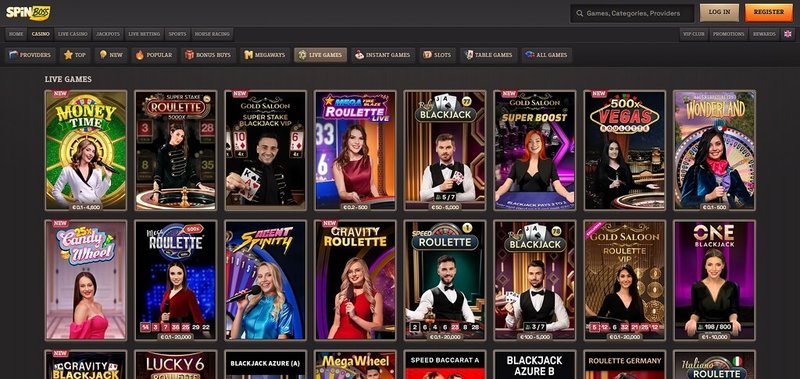
As smart devices become more interconnected, the boundary between home entertainment and online gaming blurs. For instance, a user can stream a live tournament on their smart TV, then switch to a mobile app to place a bet—all within the same ecosystem. A popular destination for such seamless experiences is Spinboss Casino, where players enjoy instant play and real‑time customer support.
5. Home Automation and Energy Efficiency
Smart thermostats and lighting systems learn usage patterns within the first week of installation. In a study of 500 households, energy consumption dropped by 18% after adopting these systems. The savings translate to about $200 a year on utilities, plus the bonus of a cooler, more comfortable living space.
Conclusion: A Personalized, Connected Future
Smart technology has moved beyond convenience; it has reshaped expectations. From instant streaming to adaptive quality and immersive gaming, the home is no longer a passive space. It reacts to our habits, predicts our needs, and delivers content with surgical precision. The result is a living room that feels less like a room and more like a curated entertainment experience, tailored to each member of the household. As the technology matures, the line between physical and digital will continue to blur, promising even richer, more integrated entertainment options for the next decade.
Frequently Asked Questions
What makes smart home entertainment better than cable?
It offers on-demand, high‑definition content without monthly fees, plus personalized recommendations and multi‑room sync.
How do I start upgrading my home theater?
Choose a streaming hub, connect compatible speakers and smart displays, then subscribe to a 4K bundle that fits your budget.
Will I still need a TV for streaming?
Most streaming services run on smart TVs, streaming sticks, or gaming consoles—any device with a screen works.
Are there security risks with smart entertainment devices?
Use strong passwords, keep firmware updated, and enable two‑factor authentication to protect your network.